Tuesday, June 21, 2011

54. Biennale di Venezia - Padiglione Veneto


A cura di: Vittorio Sgarbi
 
Il "Padiglione Veneto" della 54^ Biennale di Venezia propone a Villa Contarini di Piazzola sul Brenta, 63 artisti. Le loro opere, allestite nei saloni della storica dimora ma anche nella elegante area verde ad essa antistante, si potranno ammirare dal 21 giugno al 21 novembre 2011.
 
 
Villa Contarini, Via Camerini 1 - Piazzola Sul Brenta (PD)


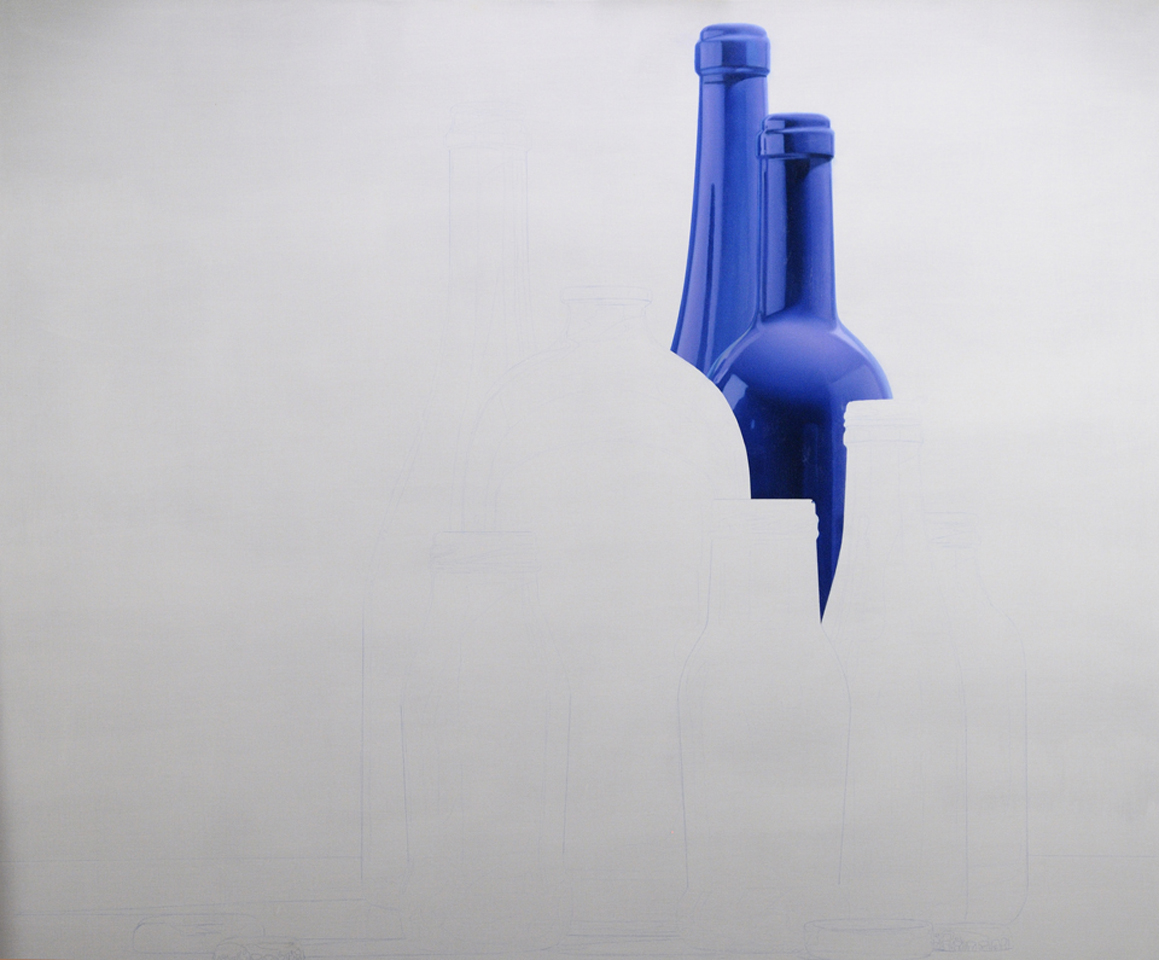
#88, "No Logo"
oil on linen
110x100cm
2010/2011


Artisti:
Gianni Ambrogio, Annalù, Graziano Arici, Elio Armano, Emilio Baracco, Francesco Barasciutti, Gianantonio Battistella, Davide Battistin, Renata Berti, Valerio Bevilacqua, Daniele Bianchi, Fabio Bianco, Bluer, Mauro Bordin, Enrico Bossan, Piero Brombin, Mirella Brugnerotto, Saturno Buttò, Pino Castagna, Cristina Cocco, Stefano Curto, Graziella Da Gioz, David Dalla Venezia, Andrés Davis Carrara, Giuseppe De Berti, David De Biasio, Paolo Del Giudice, Lou Embo, Marco Fantini, Marica Fasoli, Alessandro Finocchiaro, Novello Finotti, Amedeo Fiorese, Fratelli Calgaro, Cesare Gerolimetto, Mirella Guasti, Interno3, Bobo Ivancich, Romano Lotto, Gaetano Mainenti, Michele Manzini, Matteo Massagrande, Raffaele Minotto, Andrea Morucchio, Cleto Munari 1, Alessandro Novellino, Luigi Pellanda, Michelangelo Penso, Sarah Revoltella, Carla Rigato, Alessandro Rinaldi, Fulvio Roiter, Piermaria Romani, Giorgio Russi, Daniele Scarpa Kos, Piero Slongo, Pierantonio Tanzola, Alessio Tasca, Silvano Tessarollo, Giovanni Turria, Joe Velluto, Nicola Verlato, Elisabetta Vignato

Saturday, March 26, 2011

No Logo Series

A cura di Alberto Agazzani


Galleria Gagliardi
Solo Exhibition 26/03/2011


#87, No Logo
Oil on linen
140x120cm
2010/2011
--------------------------------------------------------------------------------------------------


#86, No LogoO
il on linen
130x120cm
2010/2011
--------------------------------------------------------------------------------------------------


#88, No Logo
Oil on linen
110x100cm
2010/2011
--------------------------------------------------------------------------------------------------


#89, No Logo
Oil on linen
100x100cm
2010/2011
--------------------------------------------------------------------------------------------------


#90, No Logo
Oil on linen1
20x80cm
2010/2011
--------------------------------------------------------------------------------------------------


#91, No Logo
Oil on linen
60x60cm
2011
--------------------------------------------------------------------------------------------------


#92, No Logo
Oil on linen
60x60cm
2011
--------------------------------------------------------------------------------------------------


#94, No Logo
Oil on linen
100x100cm
2010/2011
--------------------------------------------------------------------------------------------------


#93, No Logo
Oil on linen
60x60cm
2011


Things of the mind


David De Biasio is a painter-painter. This statement, coming right at the opening of the catalogue of his first Italian solo show, might sound rhetorical, but it is not.

Painting, Leonardo teaches us, is, above all, a “thing" of the mind. Picasso defined it as “something suspended between canvas and paint.”

Painting, therefore, cannot be merely reduced to and understood as a language of expression; it is also the result, the expression, the end of a communication/abstraction that traditionally takes shape through canvas, brushes, and colours.

Yet, in our modernity, we have accepted that works of art created through other techniques and languages can also be forms of Painting. It would be wrong-headed not to recognise that Bill Viola’s videos or some of Damien Hirst’s or Jeff Koons’ installations, to cite but three extreme examples, contain a strong “painting” component, although pursued by unconventional means. A different point, and a central one here, can be made about photography: born as imitation and simplification of Painting (Daguerre was a painter and Niépce an engraver), photography has always been subordinate to Painting, seeking to break free of it only in the most extreme modernity. But the very tight bond of substantial dependence between photography and painting is only partially real; it is easy to argue against it because optical instruments, the very forerunners of modern photography, were already used, and even deemed to be essential to painting, as early as the first half of the 15th century. Extraordinary examples of this are found from Jan van Eyck, Leonardo, and Caravaggio to Ingres and all the way to our days, to the American Hyperrealists. In fact, the relationship between photography and painting was reversed by their rise in the late 1960s. In the American arts scene of those years, Art stops representing itself and sheds all aesthetic, even visual reference, to evolve into a kind of anti-art. The new American Art must pose questions and question itself, bring about a reflection, whatever the cost; it shall not exhibit itself, or awe, let alone narrate or illustrate. The event replaces the image as the subject of the work of art, thus undermining the centuries-old primacy of the icon and the central place of the object/subject. Photorealism’s birth fits in this landscape dominated by abstractionism in its many forms (from Pollock’s and De Kooning’s violent expressionism to Rothko's seraphic spirituality); it is another (and higher) outgrowth of Pop Art, sharing with it a return to the object/subject, the hyper-visual foundation, and, especially, “the aesthetics rooted in the visual artefacts of street culture.”1 Without dwelling too much on the modes of expression of the original photorealist painters, two aspects of the American photorealist tradition seem pertinent to this introduction: the ongoing reference to the “street culture” of the so-called “American myth” and the use of photography, also as a base to make one’s own paintings. The first characteristic is easily identified in the choice of subjects: glimpses of city views, daily objects, symbols of American pop culture (cars, motorcycles, neon signs, trademarks, logos, advertising images, etc.) The second, and more treacherous one in the aspect that fuses painting’s and photography’s techniques, is found in many of that season’s historical main players who made (and make) broad use of photographic bases printed on canvas, identifying in this a deeply revolutionary conceptual impulse (from Paul Staiger, Stephen Posen, Franz Gertsch, and Chuck Close to Peter Maier.)

We all know that, in painting, the end always justifies the means and that its tools of expression have evolved for centuries along with the new scientific and technological advances. And for just as long throngs of purist have formed and risen, ready to question the legitimacy of the newly adopted tools or techniques. In the early 15th century, Jan van Eyck perfected oil painting and introduced its use in preference to the traditional tempera grassa; some, at the time, called it a scandal and even talked of an “unclean technique.” The same scandal was denounced when, during the same period, the camera ottica, ancestor of photography and cinema, was introduced; and the scandal is renewed today by the use of projectors, aerographs, or photographic bases.

The utilisation of technology in art and painting is therefore not new, nor is it really unacceptable. However, the case of photographic bases demands a deeper discussion. The current very simple and accessible use of latest generation plotters and printers, supported by digital cameras and highly sophisticated image processing software, fostered the rapid (and mysterious) rise of a crowd (as large as it is suspect) of “hyperrealist painters,” for lack of a better term, having surprising technical skills. The suspicion and surprise are not generated by the extraordinary and truly seductive beauty of the paintings created, but rather by the improbable number of works produced, and by the very high graphic definition, in some cases impossible to match with painting’s traditional tools. The suspicion that these images are processed in the computer, printed photographically on canvas and re-painted (or touched up) is something more than a guess and, in itself, if openly admitted as the American masters do, would not be a minus, or even less the object of blame. What should really cause a scandal, especially in the face of ostentatious purist pride and loud ethical hypocrisies, is the behaviour of those who translate suspicion into reality, hiding the true nature of their works of art: the use of pre-printed photographic bases, somehow transforming an absolutely legitimate practice into a colossal and grotesque farce.


When, at the start of this presentation, I defined David De Biasio a painter-painter, I intended to sweep away, once and for all, any doubts about his expression research and his amazing technical mastery. As it often happens when someone possesses true talent, these two qualities, interweaving and melting into each other, create true originality, that inventiveness, that unprecedented visual conquest from which it is difficult to come back.


De Biasio's visual education took place in Italy, in close contact with Beauty and with our great artistic and architectural tradition. And this is evident, also and above all, in his aesthetic and expressive choices, in the adoption, at least up to now, of the “Still Life” as his preferred genre, as well as in the proud, but never ostentatious or extremist, sense of belonging to that noble progeny of painters deeply rooted in the artisanal dimension of their “doing art”, in the inalienable and voluptuous “sensuality of contact with the canvas” (De Biasio’s words) through brushes, colours, and oil.

In this sense, De Biasio is a painter firmly anchored in the Italian tradition, also, but not only, because of how he looks at and represents his reality. Attention to tradition, then, but also to its renewal: that “tradition of the new,” indeed, which has characterised our art from Giotto to our days. In fact, while the tools of his work remain pure and traditional (white canvas, frames, brushes, oil paints, and varnishes), the study and elaboration of the image/subject are enriched by new stimuli and tools: from digital photography and its computer processing to projection on the canvas; exactly, but in a much evolved form, what Jan van Eyck, Leonardo, and Caravaggio did, oh so scandalously, with the camera ottica.


“Hyperrealism” is often mentioned when speaking of David De Biasio’s paintings (I have done it myself); this lucidly and consciously simplifies the terms of the question and focuses on the evident surface of the paintings’ manifest expressivity. But can a painter be defined hyperrealist or photorealist simply on the basis of the very high definition of his realism? In a nutshell: can the form overwhelm the concept, the ideology that underlies a style?

As we have seen,(American) Photorealism and the derived (European) Hyperrealism were grounded and still rest on well defined concepts and expressive finalities directly derived from Pop Art, also, but not only, through a totally unprecedented use of photography. On the other hand, all this cannot be in any way compared to the expressive research, and subsequent creations, of so many Italian “extreme” realists. In Italy, as in a good portion of the Old Continent, the trend towards absolute realism has origins that are well defined and deeply rooted in time. We come back, again, to the mid-15th century and again to that revolutionary Jan van Eyck, inventor of methods and techniques. In Italy, that exasperated search for mimetic truth finds outstanding examples and continuity through Leonardo’s, Caravaggio’s, and Cagnacci’s lessons, to mention but the early ones, who can be defined as anything, even “pop” forerunners, perhaps, but not ideologically hyperrealists!

De Biasio himself took his first steps in the world of painting pursuing a classic, far from extreme, realism. His visual revolution took place in the United States, where he lived from 2003 to 2008, enriching his visual perception capacity thanks to his contact with the variegated and lively New York arts scene and, above all, through his direct interaction with the original Photorealism. This experience led the Italian painter not so much to an ideological embrace of hyperrealistic concepts, but rather to technical learning, to strictly in-depth pictorial explorations aimed at achieving an extreme realism steeped in the Italian sense of Beauty.

Moreover, his Still Lives reflect a just as strong drive towards light and Nature’s wonders (often represented also in its “mineral” dimension, with marbles, shells, and rocks, almost as in a Wunderkammer), without the American special effects, mirrored and mirroring deformations, or grandiosities; rather, they dwell on the strength and warmth of colour, on the harmony of compositions, on an almost mathematical, although never sidereal, absolute control of all balances.

The subjects then are the least “Pop”, and therefore the least hyperrealist in a narrow sense, that one can imagine; on the contrary, they fully belong to the “Still Life” genre that, since Caravaggio, has been assumed and rose as autonomous and typically Italian.

In this case, therefore, one should speak of “extreme realism”, perhaps of “cynical realism”, when the coldness of the representation excludes all emotional involvement other than the awe before a graphic marvel (but this is not De Biasio’s case.) Certainly, it is not conceptually correct, here or elsewhere, to refer to concepts such as “Hyperrealism”, or even less “Photorealism.”

Even in De Biasio’s latest pictorial research, the “No logo” cycle presented here, the potential “Pop” tendency given by the use of immediately recognisable bottles is transformed into a sort of extreme reversed neo-Morandi-style, that here is implacable, inexorable, and so totally arrogant in its perfection and in the stupefying play of light, shadows, and reflections, that it defies any attempt at a reading in any way hyperrealist. The other intent is clearly pursued through the systematic and complete elimination of all logos and trademarks, hence “No logo,” the latter ones being the essential, primigenial, and inescapable elements of Pop nature.


A return to the origins then? De Biasio’s paintings confirm Martini’s postulate that the only possible modernity is that of sensitivity. De Biasio is the living proof that five centuries of history can converge and renew themselves in the simple and limited space of a painted canvas. But the glance, the eye, and the mind that underlie its creation are the beneficiaries of a heritage and a dignity that no technology, no invention, no shortcut can erase. Just as nothing can replace man in the creation of that “thing wholly of the mind” called Painting.


Alberto Agazzani

Reggio Emilia, March 9, 2011


1 For this and other references, see: Mercurio, Gianni, Iperrealismo e Fotorealismo, in “Iperrealisti”, Rome 2003.

Tuesday, February 2, 2010

Winter Exhibition


Plusone Gallery
Group Show


Equilibrium
oil on canvas
100 x 100 cm
2009


-----------------------------------------------------------------------------------------------


Tempus Fugit
oil on canvas
80 x 80 cm
2009


-------------------------------------------------------------------------------------------------


Sottili Equilibri
oil on canvas
80 x 80 cm
2009


Saturday, September 12, 2009

INSIDE - DENTRO

A cura di Alberto Agazzani


Galleria Gagliardi
Group Show


“Equilibri”  
Olio su tela
80x80cm
2009

----------------


“Dolci Ricordi”
Olio su tela
80x80cm
2009  


---------------- 


“Geometrie naturali”
Olio su tela
90x75cm
2009


----------------


“Un Pomeriggio”
Olio su tela
90x65cm
2009


-------------------


INSIDE            Catalogue


The exhibition is curate by Alberto Agazzani, Journalist, Music and Art Historian, Curator, born in 1967, lives and works between Italy and Paris. He has curate more than 250 exhibitions in Italy and abroad, publishing more than 100 catalogues, monographs and sages.

Artist:

Andrea Boyer, was born in Milan in 1956
David De Biasio, was born in Jesolo in 1973
Marica Fasoli, was born in Bussolengo in 1977
Paolo Tagliaferro, was born in Lonigo in 1981
Michele Taricco, was born in Trieste in 1927
Luciano Ventrone, was born in Rome in 1942

In the event created with the group exhibition Dentro– Inside, six artist meet, even if distant from each other for their age and personal experience. They appear intimately united by the same tenacious aspiration to represent, the more faithfully possible, their surrounding reality: objects, places, people.
We are in front of a perfect trip inside the virtual reality of the painted canvas and of the drawn sheet, fascinated by the obstinate research of the trusty post photographic reproduction of the real.
So the paintings seem to belong to a work of great objectivity, but each closer to be the privileged location of an event, the scenic altar of representation as the amazement and the enchant centre, for the one who is still able to feel them.

For David De Biasio, the relationship with the objects appears as instrumental and aimed to give composition, weight and balance to every represented figuration. While lights sculpt the nostalgic space of the scene, objects appear participating to a theatrical happening: still, silent and waiting.


For the event, an Italian and English Catalogue will be published by Edizioni Gagliardi, available in the Gallery. Artists and the Curator will be present at the opening


DENTRO     Catalogo


La mostra è a cura di Alberto Agazzani: giornalista, storico critico d’arte musicale, curatore, classe 1967, vive e lavora tra l’Italia e Parigi. Ha curato oltre 250 mostre in Italia e all’estero, pubblicando oltre 100 fra cataloghi, monografie e saggi.

Artisti:

Andrea Boyer, è nato a Milano nel 1956
David De Biasio, è nato a Jesolo nel 1973
Marica Fasoli, è nata a Bussolengo nel 1977
Paolo Tagliaferro, è nato a Lonigo nel 1981
Michele Taricco, è nato a Trieste nel 1927
Luciano Ventrone, è nato a Roma nel 1942


Nell’evento creato con la mostra collettiva DENTRO, si ritrovano sei artisti che, se pur distanti fra loro per età ed esperienza personale, risultano intimamente legati dalla stessa tenace aspirazione di rappresentare, il più fedelmente possibile, la realtà che li circonda: oggetti, luoghi e persone.
Siamo di fronte ad un vero e proprio viaggio dentro la realtà virtuale della tela dipinta e del foglio disegnato, affascinati dalla caparbia ricerca della fedele riproduzione post fotografica del reale.
Le opere sembrano quindi appartenere ad un lavoro di grande oggettività, ma ognuna di queste sembra più vicina ad essere il luogo privilegiato di un evento, l’altare scenico della rappresentazione quale centro dello stupore e dell’incanto, per chi ancora riesce a provare stupore ed incanto.

Dentro la realtà oggettiva di Luciano Ventrone, nature morte e nudi, pudicamente compiaciuti della propria bellezza, appaiono in scenografie di luce e avvolti in lampi di estetico splendore.
Michele Taricco non ricostruisce la propria realtà oggettiva, ma la percepisce sul suo cammino. Foglie cadute nell’acqua, oggetti comuni sui bordi di una finestra remota, trasparenze opache di uno stagno illuminato da bianche ninfee, egli coglie e trasmette l’attimo del sole che genera ombre e stupore.
Andrea Boyer propone istantanee in bianco e nero esenti dal clamore del colore, quasi a ribadire che, come nel silenzio si cela la verità, nella purezza chiaroscurale del disegno si manifesta l’intima essenza di corpi, volti e mani.
Marica Fasoli raffigura camicie indossate. L’ immagine dettagliata si svela nell’essenza del gesto, nella sola percezione dell’attimo: l’immagine che parla di sé racconta l’attesa dell’altro, dell’altra e del loro ritrovarsi. Un teatro senza attori frutto di una scelta estrema e allo stesso tempo sintetica.
Per David De Biasio il rapporto con gli oggetti appare strumentale e tutto teso a dare composizione peso ed equilibrio ad ogni figurazione rappresentata. Mentre le luci scolpiscono lo spazio nostalgico della scena, gli oggetti sembrano tutti partecipi di un evento teatrale: immobili, silenti ed in attesa.
Paolo Tagliaferro con grande naturalezza volge lo sguardo verso la realtà del gioco: con ironia, con affetto sceglie i balocchi della sua non remota infanzia: balocchi che giocano con altri balocchi; le immagini dai colori esasperatamente gioiosi e scintillanti diventano rassicuranti proiezioni di un mondo migliore. Tutto squisitamente realistico, tutto perfettamente irreale.


Per l’occasione sarà pubblicato da Edizioni Gagliardi un catalogo in italiano e inglese e disponibile in Galleria. All’inaugurazione saranno presenti gli Artisti e il Curatore.


Wednesday, August 5, 2009

Contemplazioni

Bellezza e tradizione del nuovo nella pittura italiana contemporanea

A cura di Alberto Agazzani
Group Show


Geometrie Naturali
Olio su tela
2009
90x75cm


5 agosto - 6 settembre 2009

Rimini
Castel Sismondo e Palazzo del Podestà


Contemplazioni. Bellezza e tradizione del nuovo nella pittura italiana contemporanea è il nuovo ambizioso progetto espositivo curato da Alberto Agazzani, che inaugurerà il 5 agosto 2009 a Rimini presso le prestigiose sedi di Castel Sismondo e Palazzo del Podestà, dove resterà aperta al pubblico fino al prossimo 6 settembre.


La mostra si inserisce nel progetto Sismondi. Moti d’arte e poesia contemporanee, rassegna a cadenza biennale che intende mettere in dialogo Arte e Poesia interrogate sul tema della Bellezza. Ideato e realizzato dall’Associazione Culturale Città d’Arte, in collaborazione con la Fondazione Carim di Rimini e patrocinato dal Parlamento Europeo, Senato della Repubblica, Ministero per i Beni e le Attività Culturali, Ministero del Turismo, Regione Emilia Romagna, Assemblea Legislativa della Regione Emilia Romagna, Provincia di Rimini e dal Comune di Rimini, Sismondi è la prima parte di una più ampia iniziativa pluriennale, Il Grande Viaggio. L’arte contemporanea tra identità e alterità. Un progetto internazionale tra Rimini e Mediterraneo, 2009-2016 e oltre che intende fare emergere realtà culturali e artistiche mediterranee ed europee, facendo di Rimini un luogo di incontro delle differenti identità. La seconda parte del progetto, invece, sarà articolata in una serie di eventi che toccheranno alcune delle più importanti città del Mediterraneo, tra le quali, Tirana, Atene, Istanbul, Gerusalemme.


Con le opere di più di cento artisti, italiani e stranieri, che hanno scelto l’Italia come patria d’adozione per la propria arte, Contemplazioni, si annuncia come la più importante retrospettiva dedicata all’arte figurativa italiana ad oggi realizzata sul nostro territorio. Attraverso le opere esposte, accomunate dall’indagine e dall’utilizzo del mezzo pittorico, viene ripercorsa la fortuna di questo modo di fare arte nel nostro paese: dalla “pittura colta” all’iperrealismo, fino a giungere alle soglie dell’astrazione; dai grandi maestri del ‘900 quali Carlo Guarienti, Omar Galliani, Leonardo Cremonini o Alberto Sughi, fino ai più giovani protagonisti della scena contemporanea italiana, passando attraverso pittori di origine straniera quali Ana Kapor, Vladimir Pajevic o Paul Beel. Tutti artisti intrinsecamente legati alla grande tradizione della storia dell’arte italiana ma al contempo capaci di una continua rilettura della stessa in chiave contemporanea.


Nel corso di gran parte del Novecento, in un periodo che ha visto il predominio pressoché indiscusso di forme di espressione artistica quali video, fotografia e installazioni, la pittura ha dovuto affrontare un cammino impervio. Ostracismi, indifferenza o netta condanna da parte della comunità artistica e culturale italiana, infatti, l’hanno a lungo obbligata a scegliere la via della clandestinità, fino agli anni ’80 quando inizia una sua lenta ma irreversibile riscoperta, accompagnata anche da fenomeni vistosi e prese di posizione radicali, come può essere stata la Transavanguardia.


Con le opere esposte in mostra, che si impongono per la loro bellezza e la carica etica che racchiudono, Contemplazioni testimonia questa capacità della pittura di riaffermare il proprio statuto e di confermarsi, anzi, come una delle forme espressive maggiormente capaci di interpretare la modernità rinnovando i valori della grande “tradizione del nuovo”, quali Bellezza e Verità.


Per i coordinatori della rassegna, Beatrice Buscaroli e Davide Rondoni, Sismondi dovrà rappresentare un luogo esemplare di incontro tra artisti e poeti: verranno inaugurati, infatti, proprio in occasione della mostra Contemplazioni, una serie di appuntamenti serali e letture coordinati da nove poeti, chiamati a scegliere un artista tra quelli presenti in mostra, per iniziare assieme un percorso creativo e di collaborazione della durata di un anno, i cui esiti saranno esposti alla Mostra del Premio Rimini che si svolgerà nel 2010. I poeti coinvolti nel progetto sono: Sergio Zavoli, Roberto Mussapi, Antonio Riccardi, Giancarlo Pontiggia, Gianfranco Lauretano, Isabella Leardini, Rosita Copioli, Iole Toini, Davide Brullo.


L’intero progetto e la mostra Contemplazioni rappresentano un’occasione unica anche per conoscere meglio e riscoprire gli spazi e i luoghi storici della città di Rimini che fanno da cornice agli appuntamenti della rassegna e che sono protagonisti dI un’altra interessante iniziativa, Estate al Castello; questa rassegna, che si svolgerà dal 3 luglio al 30 agosto, riapre al pubblico gli spazi interni ed esterni di Castel Sismondo con concerti musicali classici e jazz, presentazioni di libri, reading di poesia, cabaret, danza contemporanea, spettacoli di marionette per i più piccoli, ma anche visite guidate, grazie alle quali si verrà introdotti alla conoscenza delle sale del Castello.